


.svg)

.svg)





.png)
What Is Acrylamide and Why It Matters?
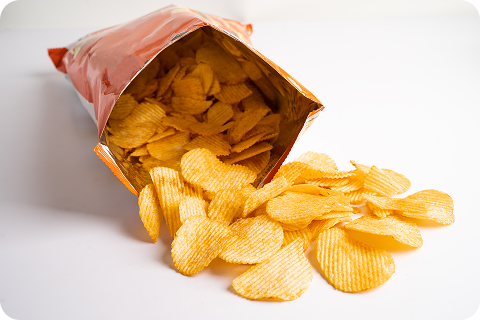
Acrylamide is a chemical compound that can form in certain foods when they are cooked at high temperatures. It appears mainly in carbohydrate rich products such as fried potatoes, baked cereals, toasted bread and roasted coffee. Unlike contaminants that enter food from the outside, acrylamide forms inside the food itself during heating. This makes it a process induced chemical hazard and one of the most studied examples of unwanted by products created during normal cooking.
Why Acrylamide Forms?
To understand acrylamide, we need to talk about the Maillard reaction. The name sounds technical, but the concept is very familiar to anyone who has toasted bread, roasted coffee beans or enjoyed crispy potato products.
The Maillard reaction is the process that creates the brown color and rich flavors in cooked foods. It happens when two things that naturally exist in many ingredients come into contact during heating. These are:
• An amino acid called asparagine
• A type of sugar known as a reducing sugar
When these two meet in a dry surface environment and the temperature climbs above roughly one hundred twenty degrees Celsius, the food begins to brown. This browning is what gives roasted coffee its aroma, bread its crust, biscuits their color and fries their golden appeal.
However, the same reaction can create small amounts of acrylamide. In other words, the chemistry responsible for the sensory qualities consumers expect is also capable of forming an undesirable compound. This is why acrylamide cannot be completely removed without fundamentally changing the taste, color and texture of many foods.
Health Risks and the Scientific Perspective
After acrylamide was first identified in foods in 2002, international agencies began evaluating its safety. Research showed that acrylamide can convert in the body into glycidamide, a metabolite with genotoxic potential.
Major agencies including EFSA, JECFA and FDA reviewed animal studies and found evidence of carcinogenicity along with possible neurological effects. While data in humans are still developing, the International Agency for Research on Cancer (IARC) classifies acrylamide as “probably carcinogenic to humans” (Group 2A). Because acrylamide is present naturally in many foods and cannot be eliminated, regulators use a "Margin of Exposure" approach to evaluate whether current dietary exposure levels represent a potential public health concern. When the calculated margin of exposure falls below a benchmark of 10,000, risk managers consider targeted mitigation strategies necessary to reduce consumer exposure.
How Regulation Approaches Acrylamide?
Unlike contaminants that have maximum permitted limits, acrylamide is addressed through a mitigation-based regulatory approach, as regulators recognize that producers cannot remove the compound entirely without destroying sensory quality.
In the European Union, this is governed by Regulation 2017/2158. It requires food businesses to:
• Evaluate where acrylamide is generated in the process
• Apply validated procedures that reduce its formation, including clear raw material specifications
• Maintain full control of processing parameters
• Fine tune time and temperature settings
• Continuously monitor acrylamide levels throughout production
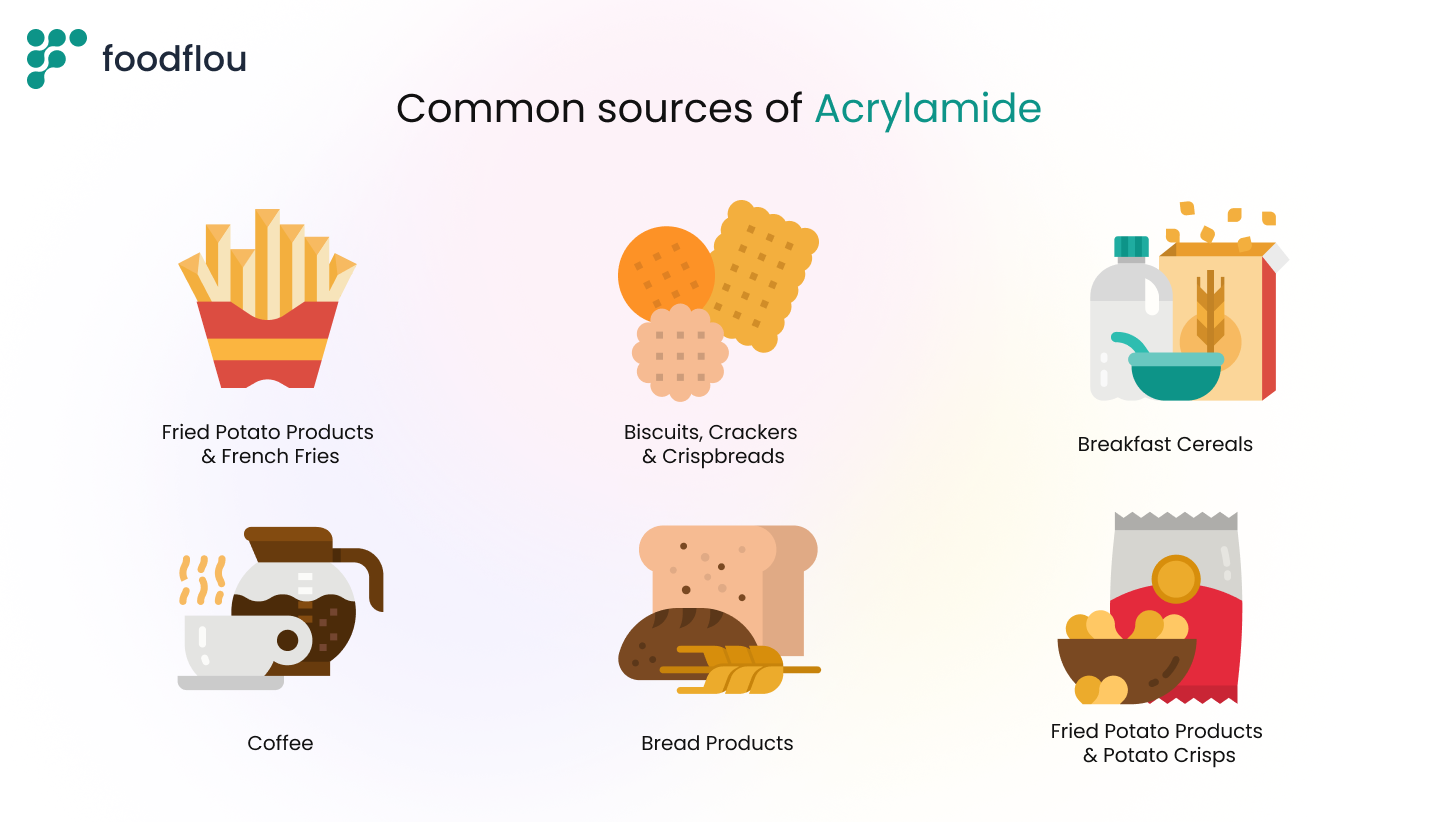
Benchmark values are provided for categories such as: potato products, like snacks or French fries, biscuits, bread, coffee and breakfast cereal based baby foods. These benchmarks help businesses understand what well controlled production looks like.
Globally, food safety management programs such as HACCP, ISO 22000 and FSSC 22000 now require hazard analysis to consider process-induced contaminants and integrate acrylamide risk into routine control plans.
Managing Acrylamide Before Processing Begins: Starting at the Farm
Acrylamide control does not start in the fryer or the oven. It begins with the crops themselves. The levels of acrylamide that will later form during high temperature cooking depend directly on the natural composition of the raw materials, especially the amount of asparagine and reducing sugars present. Since these two compounds are the essential building blocks of acrylamide, managing them early is one of the most effective strategies for long term reduction.
The Maillard reaction that produces acrylamide during heating relies on:
• Asparagine, a naturally occurring amino acid found in potatoes, wheat, rye and many other crops
• Reducing sugars such as glucose and fructose which increase during certain growing and storage conditions
When these two are abundant, acrylamide formation increases during frying, baking or roasting. When they are controlled, the potential for acrylamide formation decreases. This is why early stage agricultural and storage practices play such an important role in modern food safety programs.
Below are the key factors that influence precursor levels and therefore acrylamide formation:
1. Crop Variety
Different potato, wheat, rye and coffee varieties naturally contain different levels of asparagine. Selecting varieties with lower asparagine content is a proven method for reducing acrylamide potential from the start. Plant breeding programs continue to develop varieties with favorable safety and quality profiles.
2. Soil Nutrition and Fertilizer Choices
Nitrogen based fertilisers can increase the amount of free asparagine in crops. Optimising fertiliser use ensures producers achieve good yields without increasing precursor levels unnecessarily. Balanced soil nutrition is therefore both an agronomic and a food safety control.
3. Harvest Maturity
As crops mature their chemical composition changes, including sugar levels. Harvesting at the correct maturity point helps control the level of reducing sugars that later participate in acrylamide formation.
4. Storage Temperature and Duration
This factor is especially important for potatoes. When potatoes are stored below approximately six degrees Celsius they undergo cold induced sweetening. In this process starch converts into simple sugars. These sugars then react with asparagine during frying or baking which leads to significantly higher acrylamide levels.
To prevent this:
• Potatoes should be stored at stable and cool temperatures between six and twelve degrees Celsius
• If cold storage is required for logistical reasons, reconditioning is used where potatoes are warmed before processing which allows some sugars to convert back to starch
The final levels of asparagine and reducing sugars in incoming raw materials reflect all the above agricultural and storage factors. For this reason food manufacturers use strict raw material specifications that define acceptable precursor levels. Process controls can only work effectively when raw materials meet these specifications.
Processing Measures That Reduce Acrylamide
Once raw materials reach the processing plant, several practical tools can reduce acrylamide formation without affecting flavor or texture. These include blanching to reduce surface sugars, adjusting time and temperature curves, using steam assisted cooking to maintain moisture and applying asparaginase to lower the amount of available asparagine. Modern facilities also rely on real time color and thermal monitoring systems to keep conditions stable.
For producers looking for structured and sector specific support, the European Union provides a guidance document along with brochures that highlight the relevant mitigation steps for each category:
• Biscuits, Crackers and Crispbreads
• Bread Products
• Breakfast Cereals
• Fried Potato Products and Potato Crisps
• Fried Potato Products and French Fries
• Food for Infants and Young Children
Analytical Verification and Continuous Improvement
Analytical verification is essential because it confirms that acrylamide mitigation is working in practice rather than only on paper. Food producers depend on highly sensitive methods, especially liquid chromatography with tandem mass spectrometry, to measure acrylamide at parts per billion levels and compare results with regulatory benchmark values.
Regular testing strengthens the Food Safety Management System by providing three key insights. It validates the effectiveness of mitigation strategies such as blanching, temperature optimisation and the use of asparaginase. It supports continuous improvement by revealing seasonal shifts and long term trends that allow producers to adjust processes in line with the principle of keeping levels as low as reasonably achievable. It also ensures regulatory compliance by generating traceable analytical records that demonstrate due diligence to auditors and authorities, which is a core expectation in HACCP, ISO 22000 and FSSC 22000.
Consumer Advice and Practical Home Preparation Guidance
Although most acrylamide control happens within the food industry, consumer habits also influence how much acrylamide forms during home preparation. Public health agencies such as the FDA, EFSA and the Food Standards Agency provide practical guidance that supports industry efforts and helps keep total exposure as low as reasonably achievable.
1. Choose Light Browning Rather than Dark Browning
Toasting bread or preparing other starchy foods until they are very dark is a sign that the product has been heated for too long. The darker the surface becomes, the more acrylamide can form. Keeping toast, bread and potato based foods at a light golden color rather than a deep brown or blackened surface helps keep acrylamide levels lower.
2. Follow Cooking Instructions
Manufacturers develop cooking instructions to achieve the right balance of safety, quality and the lowest practical acrylamide levels. When products are cooked for too long or at temperatures higher than recommended, acrylamide can rise quickly. Following the time and temperature guidance on frozen potato products such as oven chips and fries helps prevent unnecessary formation and keeps the final product within expected safety levels.
3. Store Raw Potatoes Correctly
Refrigerating raw potatoes may seem harmless, but it causes an unwanted effect known as cold induced sweetening. When potatoes are stored at temperatures below about six degrees Celsius, part of their starch turns into simple sugars. These extra sugars lead to much higher acrylamide formation when the potatoes are later fried or baked. Keeping raw potatoes in a cool, dark place that is comfortably above six degrees Celsius prevents this issue and helps maintain lower acrylamide levels.
4. Maintain a Balanced and Varied Diet
Acrylamide intake depends on how often people eat browned, carbohydrate rich foods. Eating a varied diet naturally spreads out exposure and avoids relying too heavily on any single food that contributes to acrylamide levels. Adding plenty of fruits, vegetables and foods prepared with gentler methods such as steaming or boiling supports overall balance and helps keep long term exposure lower.
These simple habits do not replace the mitigation efforts carried out by manufacturers, but they strengthen them, and when both industry and consumers make informed choices, acrylamide levels remain well managed across the entire food chain.
Conclusion
Managing acrylamide successfully requires a combination of strong food safety culture, science based decisions and continuous improvement. From the field all the way to home preparation, each step influences how much acrylamide ultimately forms. When producers apply validated mitigation techniques and consumers follow simple preparation guidance, exposure remains low and the foods people enjoy continue to meet both safety and quality standards.
.png)
Frequently Asked Questions (TL;DR)
• What is acrylamide and how does it form in food?
Acrylamide is a chemical compound that can develop in certain carbohydrate rich foods when they are heated at high temperatures. It forms naturally inside the food when asparagine and reducing sugars react during browning. It is not added intentionally and does not come from external contamination.
• Which foods typically contain acrylamide?
Acrylamide is most commonly found in fried potato products, baked cereals, toasted bread, roasted coffee and other browned foods. The highest levels tend to appear in foods cooked at high temperatures and low moisture conditions.
• Can acrylamide be completely eliminated?
No. Acrylamide forms through the same reactions that create the color, flavor and aroma consumers expect from cooked foods. However, levels can be significantly reduced through raw material management, process control and validated mitigation techniques.
• Is acrylamide harmful to human health?
Animal studies show evidence of carcinogenicity and potential neurological effects, and acrylamide is classified by IARC as probably carcinogenic to humans. Human data are still limited. Regulators use the Margin of Exposure approach to assess risk and guide mitigation requirements.
• What regulations apply to acrylamide in foods?
In the European Union acrylamide is managed under Regulation 2017 slash 2158, which requires food businesses to implement mitigation measures, manage raw materials and monitor acrylamide levels. Food safety programs such as HACCP, ISO 22000 and FSSC 22000 include acrylamide as a process induced chemical hazard.
• How can manufacturers reduce acrylamide formation?
Producers use a combination of controls including selecting low asparagine crop varieties, managing storage conditions, blanching, optimizing frying or baking temperatures, maintaining moisture and applying the enzyme asparaginase. Real time color and thermal monitoring systems support stable conditions.
• What is cold induced sweetening and why does it matter?
Cold induced sweetening occurs when potatoes are stored below about six degrees Celsius and starch converts into simple sugars. These sugars greatly increase acrylamide formation during cooking. Keeping potatoes above this temperature range prevents the issue.
• How can consumers reduce acrylamide at home?
Consumers can reduce acrylamide formation by keeping toast and potatoes light golden rather than dark brown, following package cooking instructions, storing raw potatoes above six degrees Celsius and eating a varied diet that does not rely heavily on browned starchy foods.



.svg)


.png)



.svg)

